


You feed it, water it, watch the leaves unfurl beautifully — and then nothing. No mopheads, no lacecaps, just a green shrub taking up space. Hydrangeas are generous plants when their few requirements are met, but they are unforgiving about timing and soil, and the reasons for a flowerless summer almost always come back to the same five mistakes.
1. Pruning at the wrong time of year
This is the single biggest cause of a bloom-free hydrangea, and it comes down to one question: does your plant flower on old wood or new wood?
Mophead and lacecap hydrangeas (Hydrangea macrophylla), plus H. serrata and the oak-leaved H. quercifolia, form their flower buds the previous summer. Those buds sit on the stems through winter and open the following July or August. Cut those stems in spring and you have thrown away the entire season's flowers. The right moment to prune them is immediately after flowering, in late summer or early autumn: deadhead the faded blooms, then thin out up to a third of the oldest stems at the base. Leave the rest untouched.
Panicle hydrangeas (H. paniculata, the cone-flowered types) and smooth hydrangeas such as 'Annabelle' are the opposite. They flower on growth made in the same year, so they respond well to a hard cut in late winter or early spring — February to March, cutting back to a low framework of fat buds.
If you genuinely do not know which type you have, do nothing for one year. Note when it flowers, then prune accordingly. A year without secateurs beats another year without flowers.
Nine times out of ten, a flowerless hydrangea was pruned in the wrong month — not fed, watered or positioned badly.
2. Soil that is too alkaline, or too acid for the colour you wanted
Soil pH does two jobs here. It decides the flower colour on most mopheads and lacecaps, and it affects how well the plant can feed at all.
Where the soil is acid — roughly pH 5.5 or below — aluminium becomes available to the roots and the flowers turn blue. In neutral to alkaline soil, that aluminium stays locked up and the flowers are pink or mauve. Neither is wrong, but gardeners often fight the soil instead of working with it. On very alkaline ground, iron and manganese also become harder to take up, which shows as yellow leaves with green veins, weak growth and very few buds.
To push towards blue:
- Grow in pots of ericaceous compost, which gives you full control.
- Water with rainwater rather than tap water where you live on chalk or limestone.
- Mulch with pine bark or composted bark, and use a feed formulated for ericaceous plants.
- Flowers of sulphur or sulphate of iron can acidify soil, but apply lightly and retest — overshooting causes its own problems.
To push towards pink, add garden lime at the recommended rate and retest the following spring. Whichever direction you go, be patient: colour shifts over a season or two, not overnight. And white hydrangeas stay white whatever you do, so leave them be.
3. Frost damage to swelling buds
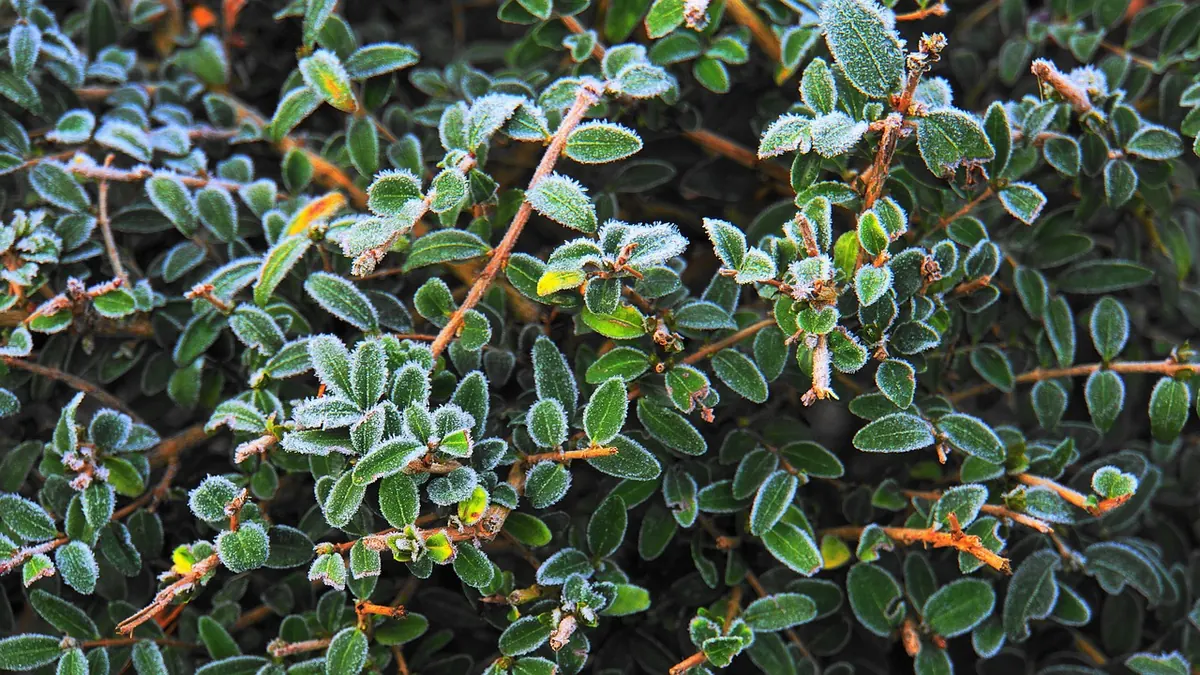
Old-wood bloomers carry their flower buds through winter in a fairly exposed position, and a sharp late frost in April or May can blacken the tips before they ever open. In cold, exposed gardens this can happen several years running, which is why some hydrangeas seem to grow well and simply never bloom.
Give them a kinder position: a sheltered spot against a wall, fence or hedge, away from a frost pocket at the bottom of a slope. Move pots somewhere protected over winter and into spring, or wrap the pot and crown in fleece. Avoid feeding with a high-nitrogen fertiliser in late summer, which encourages soft growth that frost will catch.
If buds do get caught, resist the urge to cut the plant back immediately. Wait until May or June, when new shoots are breaking, then cut back each damaged stem to just above a strong new shoot. That way you remove only what is genuinely dead.
4. Feeding that grows leaves instead of flowers
Generous feeding feels kind, but a high-nitrogen diet produces exactly what you don't want: lush green growth, long soft stems and no flower buds. Hydrangeas are not hungry plants, and overfeeding in rich soil is common.
Instead, mulch around the base with well-rotted compost or leafmould in spring to conserve moisture and feed gently. If you do feed, use a balanced fertiliser as growth starts, then switch to a high-potash feed — tomato feed works well — from early summer until late July. Potash supports bud formation and flower colour. Stop feeding by late summer so the growth ripens before winter.
Two other points. Never feed a dry plant; water it first. And plants in containers need regular feeding through the season, because nutrients wash straight out of the drainage holes.
5. The wrong position, and dry roots in late summer
Hydrangeas are thirsty shrubs that dislike baking all day and hate drying out. An exposed, sun-scorched border on sandy soil is the worst case. Morning sun with some afternoon shade suits them best, although in cooler northern gardens they will take more sunshine.
Water matters more than most people realise, because next year's flower buds begin forming in late summer and early autumn. A plant left dry through August and September will often drop those buds before they develop, and no amount of watering next spring brings them back. Water deeply once or twice a week in dry spells, more often for pots, and mulch generously to hold moisture in.
Finally, check the planting depth. The crown — where stems meet roots — should sit at or just below soil level. A hydrangea planted too deep sulks, rots and rarely flowers. If yours sits in a hollow, lift it in early spring and replant slightly higher.
A practical plan for next summer
Work through these steps and you will usually see flowers within one or two seasons.
- Identify your hydrangea type, then prune at the right time or not at all this year.
- Test your soil pH and stop fighting it — adapt the soil or accept the colour you get.
- Move pots and tender varieties somewhere sheltered from late frosts.
- Swap strong feeds for compost mulch and a high-potash feed in early summer.
- Water deeply through late summer, when next year's buds are quietly forming.
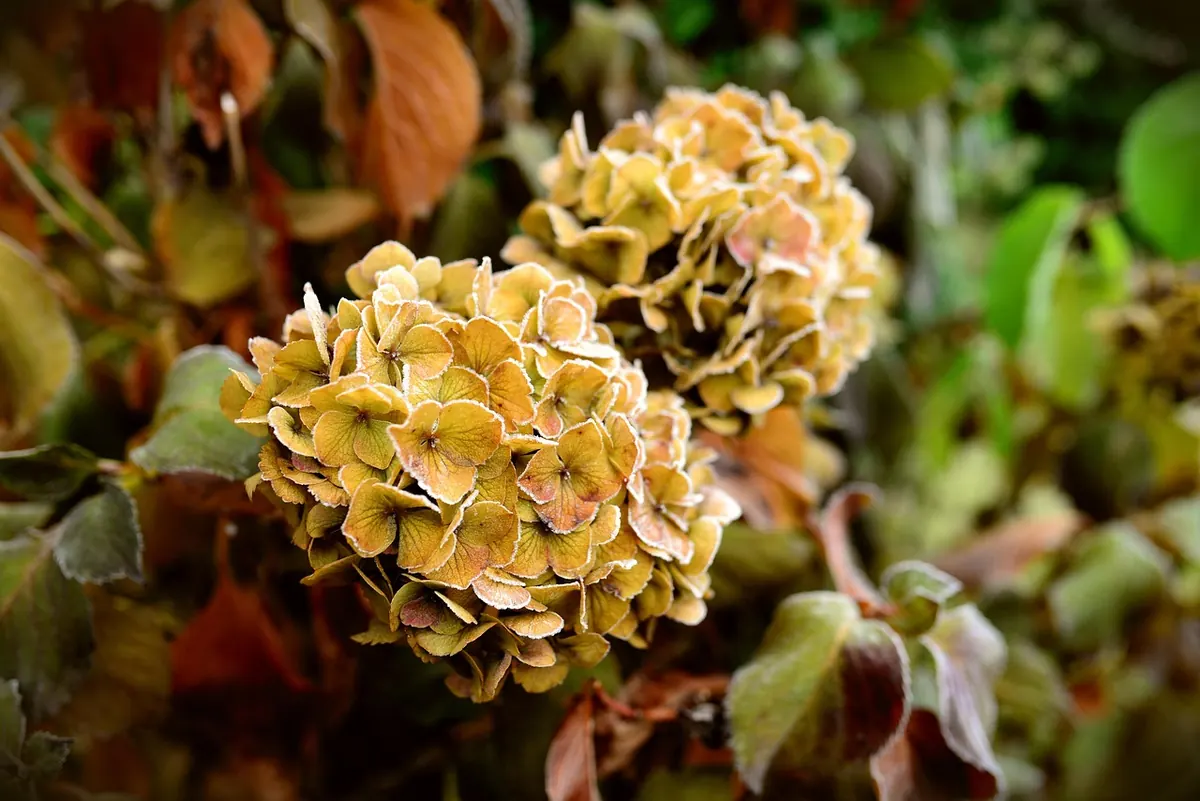
- Deadhead spent blooms, but leave the stems until spring so they protect the buds below.
Hydrangeas reward patience more than effort. Get the pruning month right, keep the roots cool and damp, and the flowers will follow.
Photo: congerdesign / Pixabay