

A tree rarely goes from healthy to hopeless overnight. Long before a branch dies back or a trunk starts oozing, there are quieter signs: a dull patch of bark, a scatter of dark spots on the leaves, a clump of pale toadstools tucked against the base. Learning to read those signs is the difference between losing a favourite apple tree and catching something while it is still manageable. Below are the three problems that turn up most often in British gardens, with the early clues that give each one away.
Honey fungus: the problem you cannot see
Honey fungus (Armillaria) is the one that makes gardeners wince. It lives in the soil and attacks roots rather than trunks, which means by the time the top of the tree looks unwell, the infection has usually been working for a year or two. It spreads through direct root contact and along black, shoelace-thick strands that run through the soil, so a single infected stump can quietly feed the next tree along the hedge.
Early warning signs above ground
Watch for gradual thinning at the top of the canopy, leaves that are smaller and paler than usual, and a tree that colours up and drops its leaves weeks before its neighbours. In a hot, dry spell a tree can wilt and collapse surprisingly fast, because the roots are simply no longer able to move water. Stressed trees may also crop unusually heavily, as though they are making one last effort.
What to check at the base
- Peel back the bark on a dying stem or stump. Honey fungus produces white, fan-shaped sheets of tissue just under the bark that smell strongly of mushrooms.
- Scrape the soil away from the base and look for black bootlace strands running through the earth, often just below the surface.
- In autumn, clusters of honey-coloured toadstools appear at the base of affected trees, growing in tight bunches rather than singly.
- Look for dark, resinous weeping at the base of conifers, which sometimes accompanies root death.
There is no chemical cure available to gardeners. In practice you dig out the stump and as much of the root system as you can reach, replant using a raised bed or a sturdy root barrier, and choose species that cope better in infected ground. Yew, hawthorn and holly tend to fare better than birch, apple, cherry and lilac. Leave the ground empty for a season if you can, and never move soil from an infected area to another part of the garden.
Canker: dead patches that keep spreading
A canker is an area of bark that has died, usually because a fungus or bacterium has entered through a wound. Frost damage, careless strimming, an untidy pruning cut and insect damage all offer a way in. Once established, the infection eats into the wood and the tree tries to wall it off, which is why older cankers look so distinctive.
Run your eyes along the trunk and main branches and look for bark that is sunken, cracked or flatter than the wood around it. On apple trees, the classic sign is a target-like pattern of concentric ridges with dark, dead wood beneath. On plum and cherry, bacterial canker causes amber-coloured gum to ooze from the bark, and the leaves above often develop small shot holes. On horse chestnut, bleeding canker shows as dark, sticky liquid running down the trunk, looking as though someone has spilled oil. If the tree is winning, you will see a roll of new callus tissue building up around the edge.
Where a branch is affected, cut it back well into clean, healthy wood, making the cut just above a healthy side shoot. Do the job in dry weather, wipe your secateurs and saw between cuts with methylated spirit or a similar disinfectant, and avoid leaving stubs. With stone fruits, prune in summer rather than winter to reduce the risk of infection taking hold in damp conditions. If a canker has completely ringed the trunk, the tree will not recover and is best removed.
Leaf spot and blotch: when foliage does the talking
Leaf marks are often the first thing spotted and the easiest to misread. Most are cosmetic, but heavy spotting year after year weakens a tree and tells you something about its growing conditions.
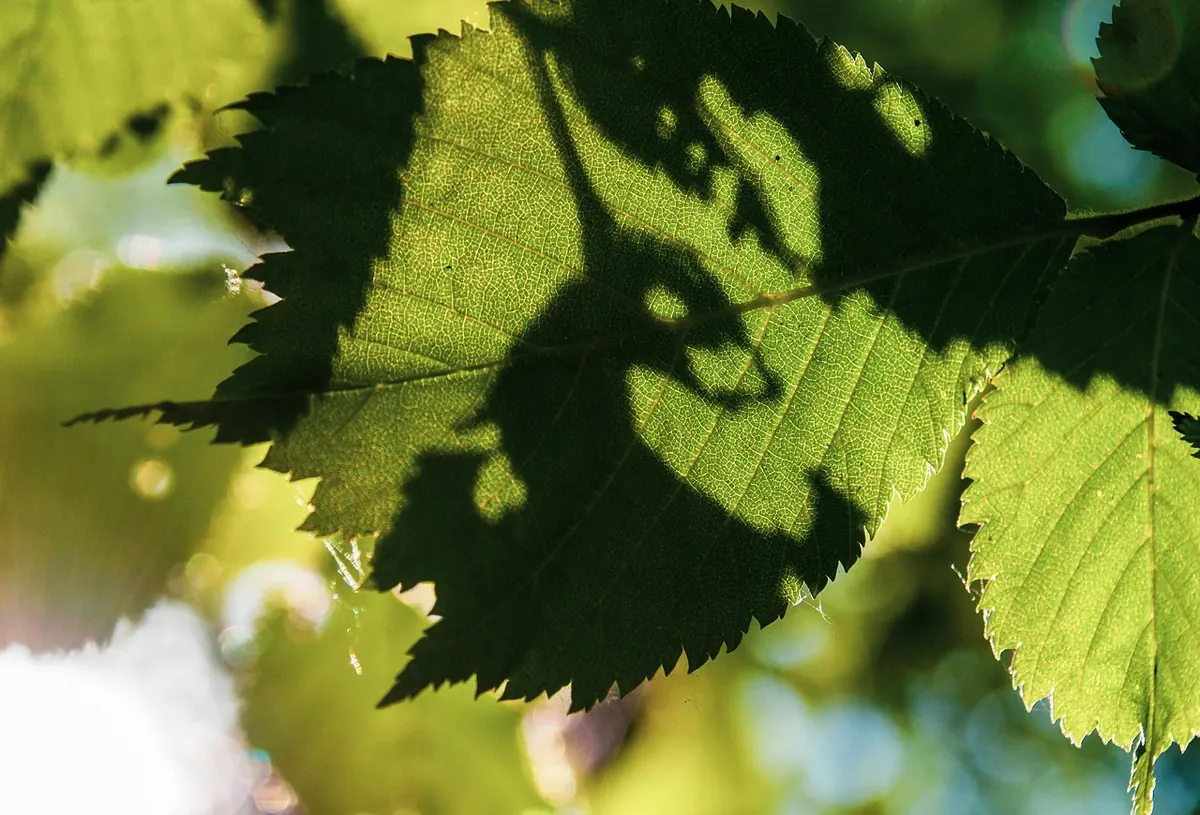
Tar spot on sycamore and maple starts as a yellow smudge that hardens into a raised, glossy black blob, as if a drop of tar has landed on the leaf. Horse chestnut leaf blotch produces brown, dry-looking patches that spread between the veins until the whole leaf appears scorched. Rose blackspot shows as purple-black spots with fringed edges on leaves that yellow and drop from the bottom of the plant upwards. Cherry leaf spot appears as small purple dots with pale centres, which later fall out and leave little holes.
Look closely and you may see tiny black dots inside the spots. These are the fruiting bodies of the fungus, and they are a useful confirmation that you are dealing with disease rather than a nutrient problem or sun scorch. To reduce the pressure next year, rake up fallen leaves and bin them rather than adding them to a cool home compost heap, thin crowded branches to improve airflow, water the roots rather than the foliage, and go easy on nitrogen-rich feeds, which encourage soft growth that infections love.
A ten-minute check you can do this weekend
- Stand back and look at the whole tree. Compare it with others of the same type nearby.
- Check the base for toadstools, black strands, oozing liquid or a sunken patch of bark.
- Inspect pruning cuts from last year. Healthy wounds should be closing over with a rim of new tissue.
- Turn a few leaves over and check the undersides, not just the top surface.
- Look at the root flare. If it is buried under mulch or soil, pull the material back.
Getting the diagnosis right
Drought stress, waterlogging, frost, herbicide drift and simple old age all mimic disease, and treating the wrong thing wastes a season. Take photographs of the whole tree, the affected area close up, and both sides of a leaf, then ask a knowledgeable nursery or your local garden society for a second opinion. If a large tree near a house, path or road looks unstable, or if a fungal problem has spread across a boundary, speak to a qualified arboriculturist rather than attempting a fix yourself. And do not eat any fungus you find in the garden — some species are seriously poisonous, and identification from a photograph is not reliable.
Keeping trees ahead of trouble
Healthy trees shrug off far more than struggling ones. Mulch around the root zone each spring with well-rotted organic matter, keeping it clear of the trunk. Water thoroughly during dry spells rather than little and often, so moisture reaches the roots. Keep mowers and strimmers away from the base, because bark wounds are the front door for canker. Disinfect tools between trees, and keep a short note of what you planted and when, so you can spot a change in vigour before it becomes obvious to everyone else on the street.
Photo: wal_172619 / Pixabay