


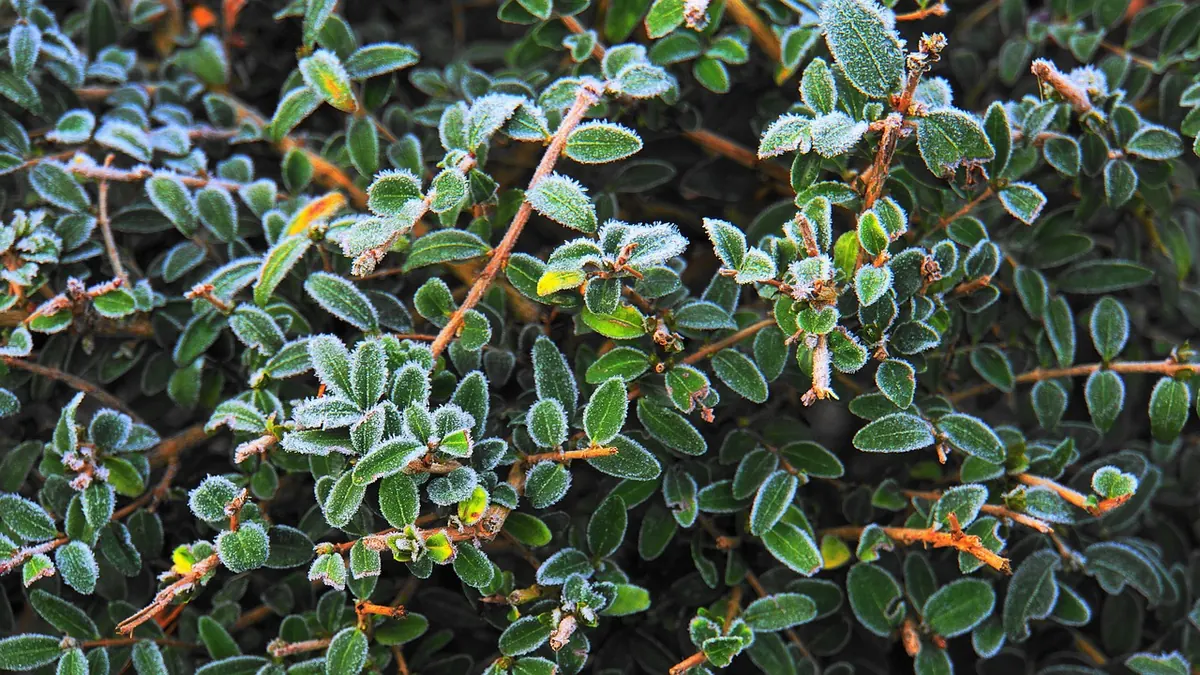
The first frost rarely announces itself. You go to bed with dahlias still in flower, and wake to blackened foliage and a lawn that crunches underfoot. That morning is not a disaster, but a few hours of work in the weeks beforehand is the difference between a garden that shrugs off winter and one that spends spring recovering.
Autumn is the most useful season of the year for getting ahead. The soil is still warm, growth is slowing rather than surging, and there is time to do things properly instead of in a panic. Here are twelve jobs worth ticking off before the cold really settles in.
1. Mulch While the Soil Is Still Warm
Spread a 5–8cm layer of well-rotted compost, leaf mould or manure over beds and around shrubs. The soil beneath is still holding summer warmth, and mulch traps it, keeping roots steadily cool rather than lurching between warm days and freezing nights. Worms will pull the lot down over winter.
Keep mulch clear of stems, crowns and the necks of woody plants — a collar of damp material against a trunk is an open invitation to rot. Skip it altogether if the ground is frozen or waterlogged, and wait for a drier spell.
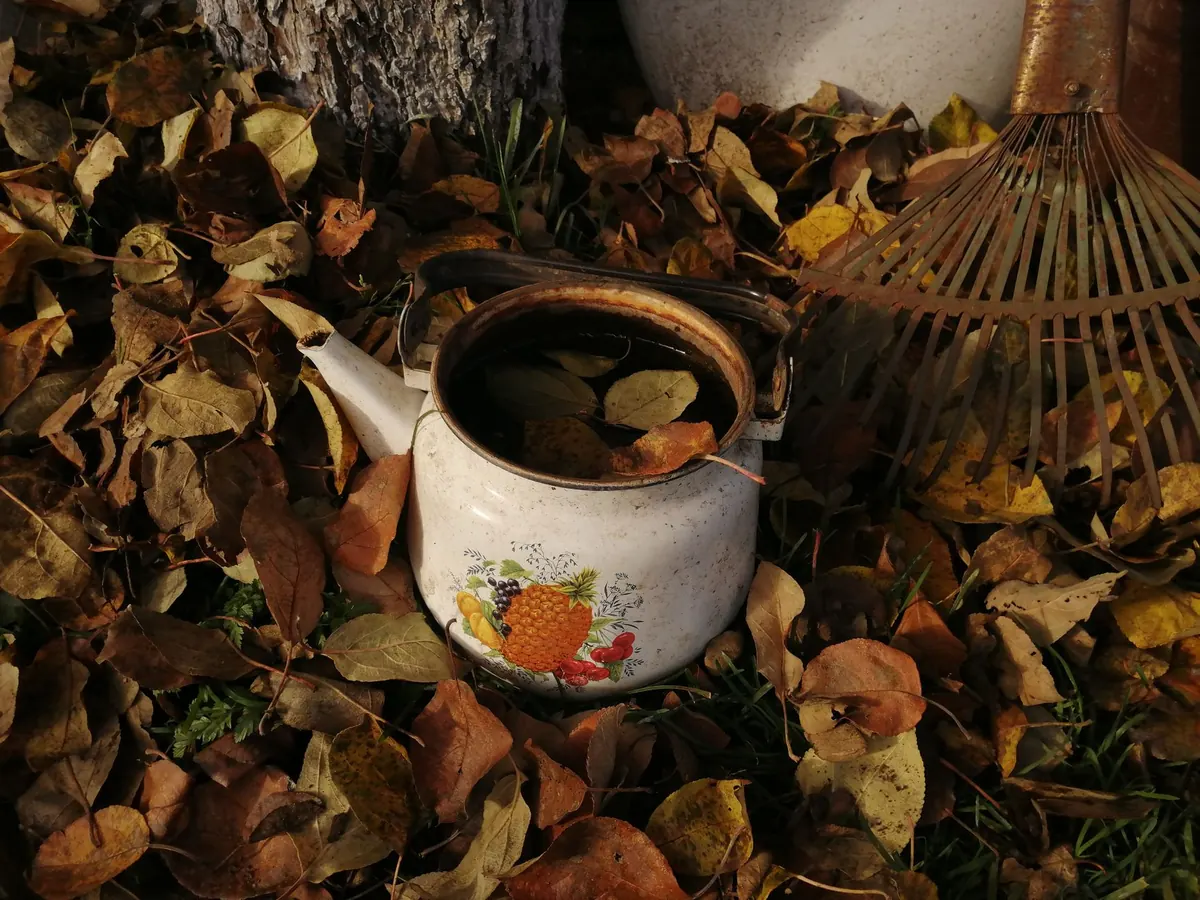
If you have leaves to spare, bag them. Fill old compost bags or bin liners, punch a few holes, tuck them behind the shed and forget about them. In a year or two you have leaf mould, which is better than anything you can buy for seed sowing and potting.
Stop feeding with anything high in nitrogen. It pushes soft growth that the first frost will shred. A light dressing of bonemeal around new plantings is fine; leave the rest until spring.
2. Move Tender Plants Before the Temperature Drops
Start when night temperatures begin falling towards 5°C, not when frost is forecast. Pelargoniums, fuchsias, citrus, olives, agapanthus and tree ferns all want to be under cover before that point, and they will sulk less if they are moved while still growing actively.
Before you bring anything into a greenhouse or conservatory, check it over. Slugs, vine weevil and whitefly all hitch a lift indoors and then multiply in the warmth. A quick inspection of pots, saucers and leaf undersides saves a lot of trouble in January. Water far less once plants are inside — cool, damp compost is the main killer of overwintering plants.
Lifting dahlias and cannas
Leave dahlias in the ground until the first frost blackens the foliage; that signals the tubers have finished. Then cut stems back to about 10–15cm, lift carefully with a fork, turn them upside down somewhere airy for a week or so to drain, and store in barely damp compost in a frost-free shed or garage. Cannas and gladioli follow the same routine.
If you would rather not lift them, a thick blanket of straw, bracken or compost over the crown gets many tender perennials through a mild winter. It is a gamble in cold districts, but a reasonable one.
3. Cut Back — But Leave More Than You Think
The tidiest autumn garden is not the healthiest one. Seedheads from echinacea, teasel, sedum and ornamental grasses feed birds and hold structure through the worst weather, and hollow stems are winter accommodation for insects. Cut those back in early spring instead.
Do cut anything diseased or slimy: peony foliage, mildewed stems, and the old leaves of hellebores, which carry leaf spot. Clear fallen leaves from around roses to reduce blackspot next year.
Be careful with woody herbs. Lavender, rosemary and santolina will not regrow from old, bare wood, so give them only a light tidy in spring rather than a hard autumn chop. Roses should not be pruned properly now either — gales can rock a shortened bush. Just shorten very long whips to stop windrock, and save the real prune for late winter.
4. Protect Pots, Taps and Anything That Might Crack
Terracotta and glazed containers are the first casualties of a hard freeze, especially small ones. A few simple steps make a big difference:
- Raise every pot onto feet, bricks or a piece of timber so water drains instead of pooling and freezing.
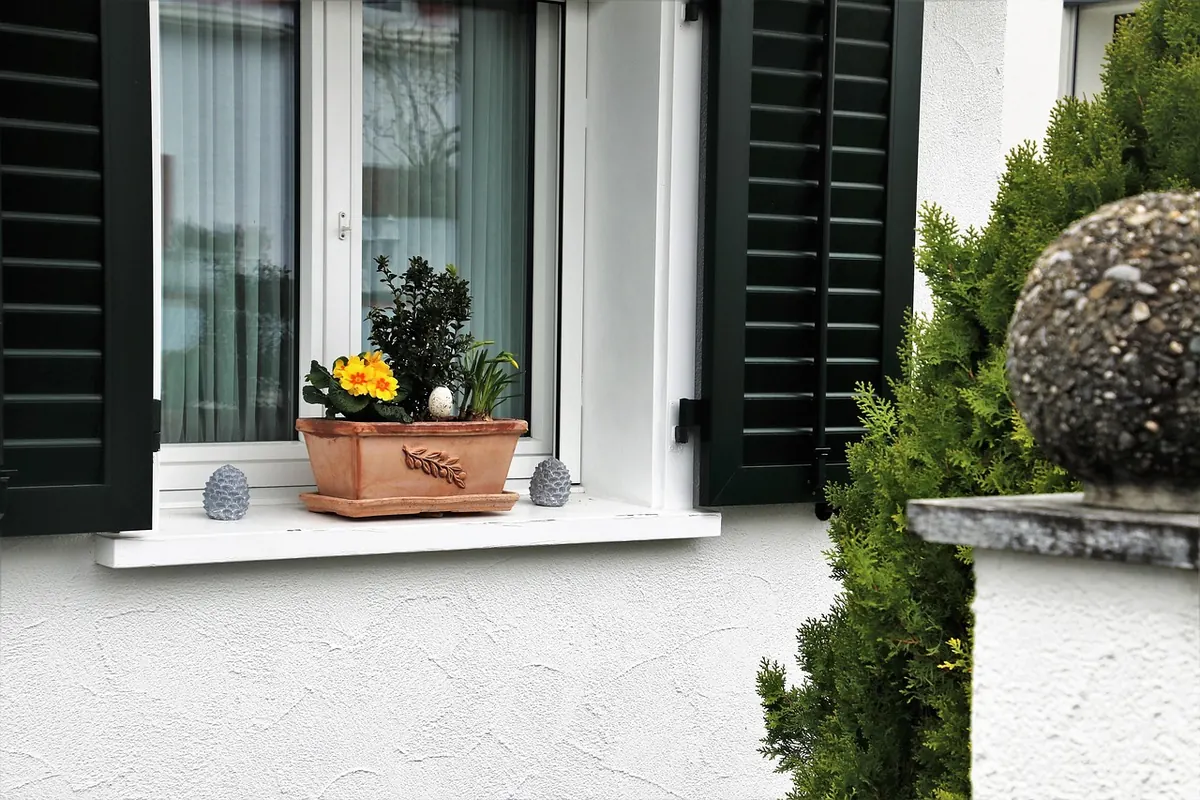
- Group pots together in a sheltered corner against a house wall, where they shelter each other and benefit from escaping warmth.
- Wrap larger containers in bubble wrap or hessian, tied around the sides only — never over the top, which traps water.
- Empty saucers and trays so standing water cannot freeze around the base.
- Plunge small, precious pots into a spare bed or into a bin of dry compost for the winter.
Water sparingly from now on, and only on mild mornings, never when the compost is frozen. Elsewhere, drain hoses, lag outdoor taps and turn off any outside supply — split pipes are an expensive way to learn this lesson.
5. Plant, Divide and Tidy the Lawn
Autumn is prime planting time. Bare-root trees, roses and hedging go in from now until early spring while dormant, and the soil is still warm enough for roots to settle. Spring bulbs want to be in too; tulips are best left until November, which helps avoid tulip fire.
Lift and divide overcrowded perennials such as hardy geraniums, hostas and asters while the ground is workable, replanting the strongest outer pieces. On heavy clay, fork in organic matter but avoid digging wet, sticky soil — you will do more harm than good.
On the lawn, rake leaves off regularly; left in place they smother grass and encourage disease. Give it one final cut on a high setting, then spike the surface with a garden fork to improve drainage over winter.
6. Check Ties, Gutters and Structures
Before the gales arrive, walk the garden with secateurs and twine. Check tree ties for rubbing, firm in anything newly planted, and re-stake climbers that have come loose. Clear gutters, drains and water butts so heavy rain has somewhere to go.
Clean and oil your tools, sharpen the secateurs, and put canes and stakes somewhere dry. Clean greenhouse glass for maximum winter light, and check vents and any insulation before the first cold snap. Keep the bird bath topped up and free of ice.
Your Frost-Ready Checklist
Work through this in dry weather, and leave anything that needs frozen ground alone until it thaws.
- Mulch beds, keeping material clear of stems and crowns.
- Stop nitrogen feeding; tidy and compost spent annuals.
- Take cuttings of pelargoniums and fuchsias as insurance.
- Move tender plants under cover and check for pests first.
- Lift and store dahlias, cannas and gladioli.
- Leave seedheads and hollow stems standing for wildlife.
- Cut back diseased foliage; clear leaves from around roses.
- Raise pots, group them, wrap larger containers.
- Reduce watering and empty saucers and trays.
- Plant bulbs, bare-root trees, roses and hedging.
- Divide overcrowded perennials; last lawn cut and spike.
- Clear gutters, drain hoses, lag taps, sharpen tools.
Nobody finishes everything, and you do not need to. Get the tender plants under cover, the pots protected and the worst of the leaves cleared, and your garden will come through winter in far better shape than it would otherwise. The rest can wait for a bright, cold afternoon in February, when there is nothing better to do anyway.