


A three-by-four metre back garden with a shed, a path down the middle and a washing line at the far end. That is the space most of us are working with, and it forces a decision: build raised beds, or stick with pots, troughs and grow bags?
Both work. Both fail, too, usually for the same reasons — not enough depth, careless watering, or a spot chosen because it was convenient rather than because it gets sun. The honest answer is that raised beds and containers suit different gardens, different budgets and different growers. Here is how they compare on the things that actually matter.
Cost: what you pay now, and what you keep paying
A raised bed has a heavy front end. Timber is the cheapest part if you go for scaffold boards or gravel boards; sleepers look lovely and cost more. The real money goes into filling it. A bed measuring 2.4m by 1.2m and 30cm deep swallows roughly a cubic metre of growing medium — a lot of bags if you buy them individually. Bulk deliveries, a mix of topsoil, compost and well-rotted manure, or your own home-made compost all bring that figure down.
The plus side is that a decent timber bed, lined and looked after, gives you years of service. You top it up each spring rather than starting again from scratch.
Containers are the opposite: cheap to begin with, more expensive over time. A few pots and a bag of multipurpose compost will get you growing this weekend. But compost in a small volume is exhausted quickly, nutrients leach out with every watering, and pots crack in frost or go brittle in sun. Grow bags rarely survive more than a season or two. Budget for fresh compost each year and replacement containers every few years.
Yield: where the harvest actually comes from
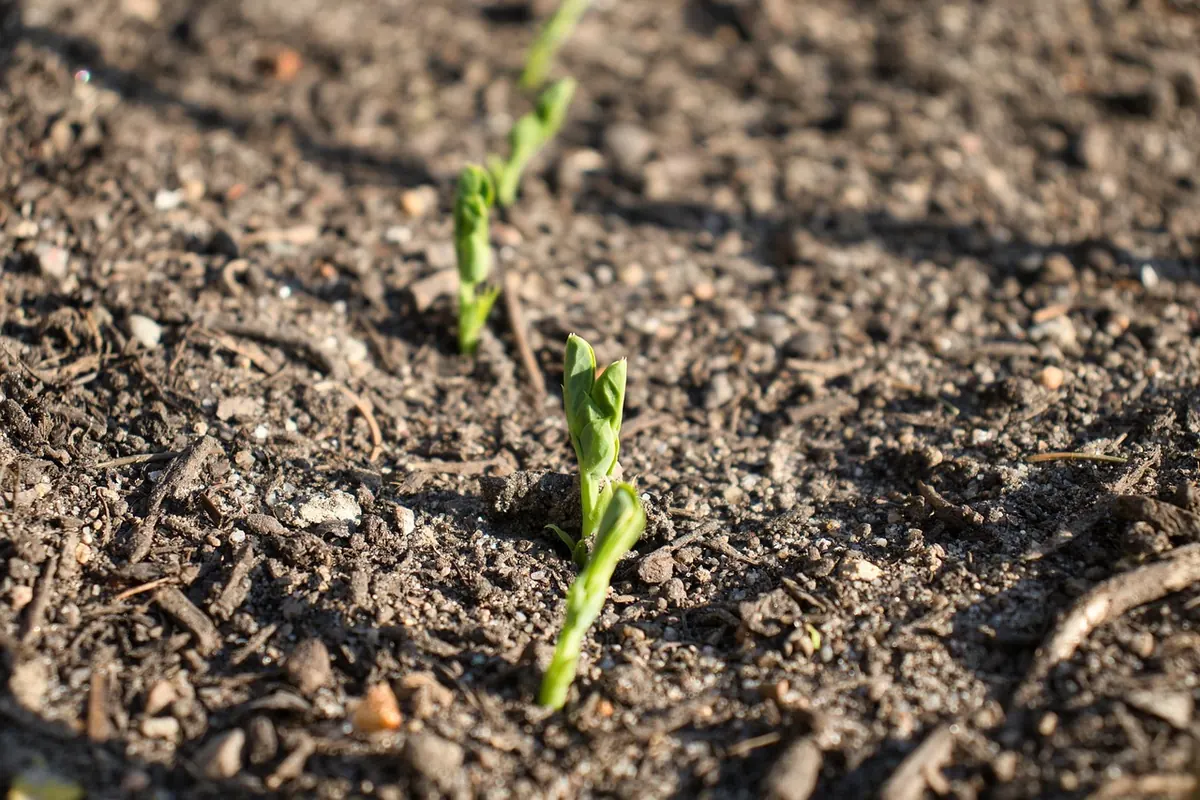
Harvests follow volume. The more root space a plant has, the more it gives you, which is why a raised bed of carrots beats a windowsill of them every time. A 30cm-deep raised bed will grow almost anything, including maincrop potatoes, parsnips, sweetcorn and brassicas. Because you never walk on the bed, the medium stays loose, and you can plant closer than you would in open ground.
Containers are brilliant for a specific list of crops and frustrating for others. Salad leaves, herbs, radishes, spring onions, chillies, bush tomatoes, strawberries and dwarf French beans all crop generously in pots. Maincrop potatoes, parsnips, large cabbages, Brussels sprouts and sweetcorn want more room than most pots can offer. Push them and you get small, disappointing results.
Crops that suit each setup
- Raised beds: maincrop and early potatoes, carrots, parsnips, brassicas, leeks, onions, garlic, sweetcorn, courgettes, runner beans.
- Containers: cut-and-come-again salad, herbs, radishes, chillies, bush tomatoes, strawberries, dwarf French beans, dwarf peas, small beetroot.
- Happy in either: chard, kale, lettuce, spinach, spring onions, cordon tomatoes — give those at least 20 litres and a sturdy support.
Watering: the difference you notice daily
Neither setup behaves like open ground. Both drain freely and dry out faster, so both need you to pay attention. Containers are the thirstiest. On a hot July day, a 10-litre pot of tomatoes can need watering morning and evening, and missing one session can split fruit or check growth. Raised beds hold far more moisture and forgive the occasional lapse.
Where the bed sits matters as much as its size. A bed built directly on soil can draw moisture up from below, while one sitting on a membrane over paving is effectively a very large container.
A few things that genuinely reduce the watering workload:
- Mulch everything. A 5cm layer of compost, straw or grass clippings over a raised bed slows evaporation noticeably.
- Group pots together so they shade each other, and stand them on saucers or in a gravel tray.
- Water early or late, and water thoroughly until it runs out of the drainage holes rather than little and often.
- Fit a drip line or soaker hose on a timer if you have more than a handful of containers, or use self-watering pots for thirsty crops.
- Mix plenty of composted bark into container compost to buy yourself a little slack on hot days.
Space efficiency: paths, patios and vertical room
This is where containers quietly win on small plots. A raised bed needs access, and access costs space. Keep beds no wider than 1.2m so you can reach the middle from either side, and you still lose ground to paths. In a courtyard or on slabs, paths are the only ground you have.
Reach is the measurement that matters most. If you cannot touch the middle of a bed without stepping on it, it is too wide.
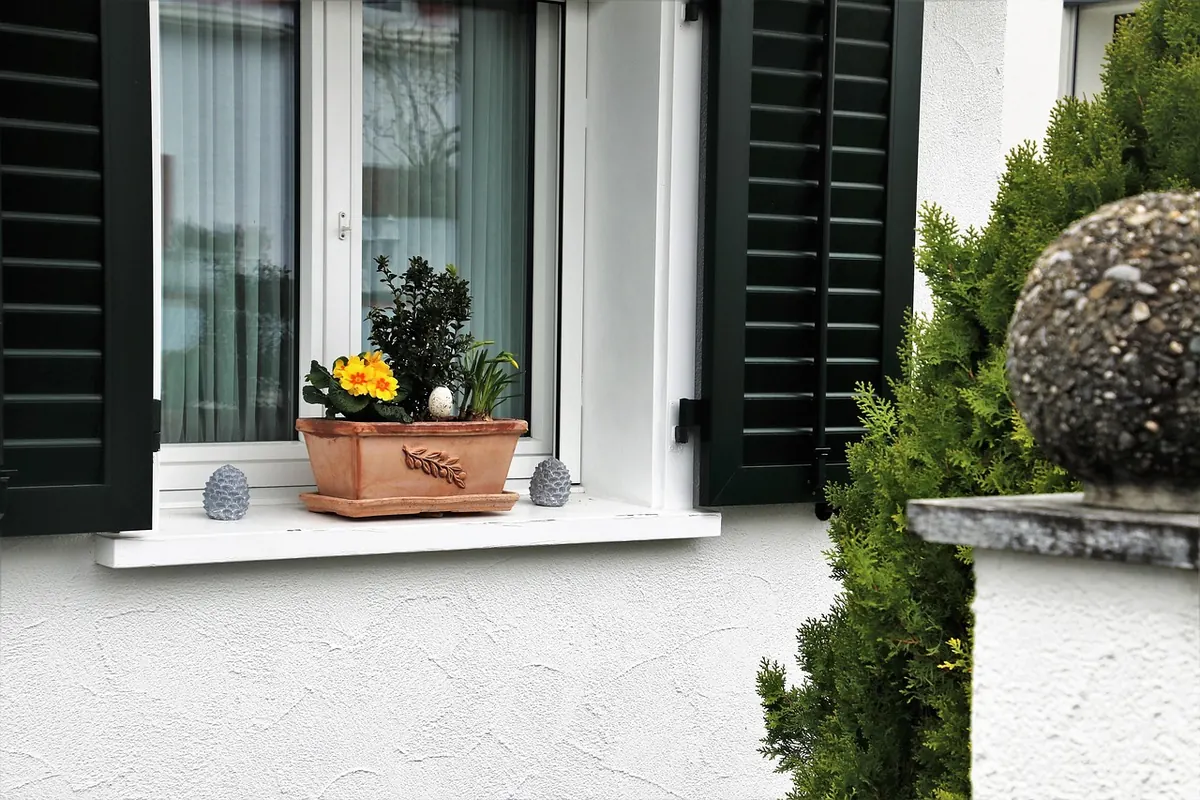
Containers need no path at all. They go on the patio, up a wall in a vertical planter, along a sunny step, on a windowsill or hanging from a bracket. For renters they are also portable — the whole setup moves house with you.
The counter-argument is that pots get scattered, and scattered pots get forgotten. A single raised bed concentrates your attention and your compost in one place. If your growing space is soil rather than slabs, one or two deep beds plus a few pots of herbs by the back door is often the most productive arrangement going.
Choosing for your own garden
Before you spend anything, spend an afternoon watching the light. Mark out where sun lands for six hours or more in midsummer — that is your growing area, whatever shape it turns out to be. Then measure it properly rather than guessing.
If you have soil and some room, build one raised bed this year rather than three. Fill it well, plant it up, and see how much you actually use it. If you are working on paving, on a balcony or in rented accommodation, containers are the sensible starting point: begin with six or eight decent-sized pots of salad, herbs and a bush tomato, then add a self-watering trough next season if you find yourself enjoying it.
Plenty of growers end up with both, and that is usually the best answer. Beds for the hungry, deep-rooted crops that need volume, and containers for the herbs you want within arm's reach of the kitchen door. Start with what you have, keep the compost well fed, and water before the plants tell you they need it.
Photo: Denkfalle / Pixabay